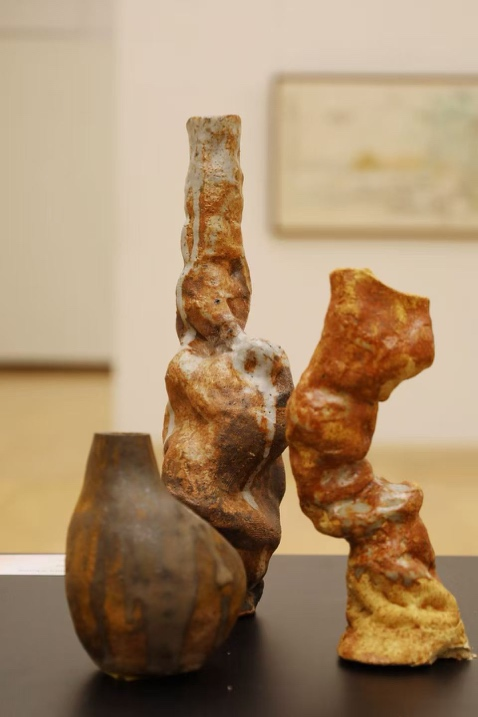
Dreams of Matter 物质的梦境
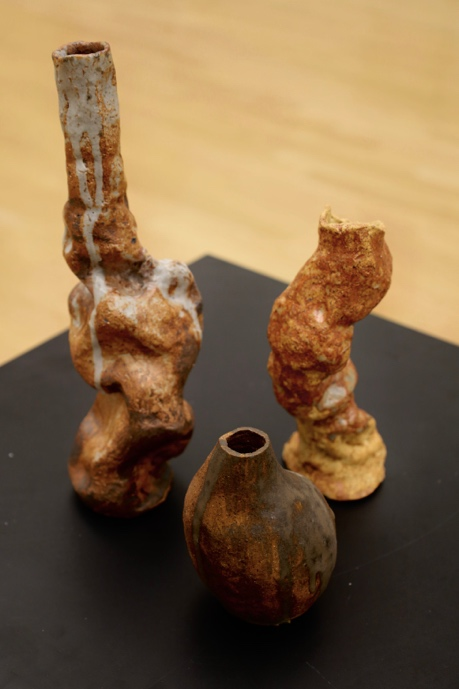
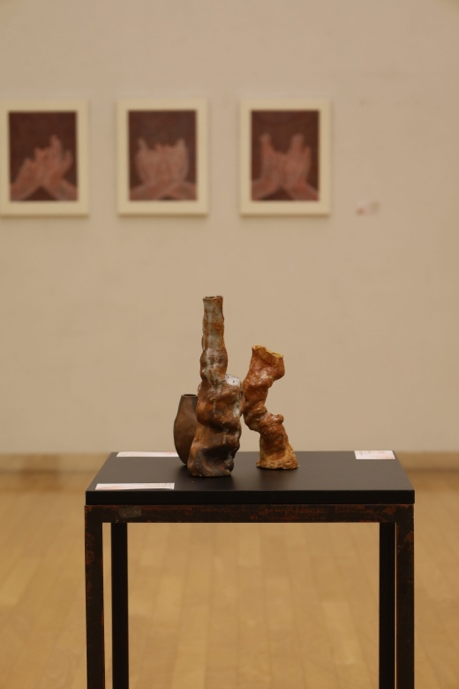
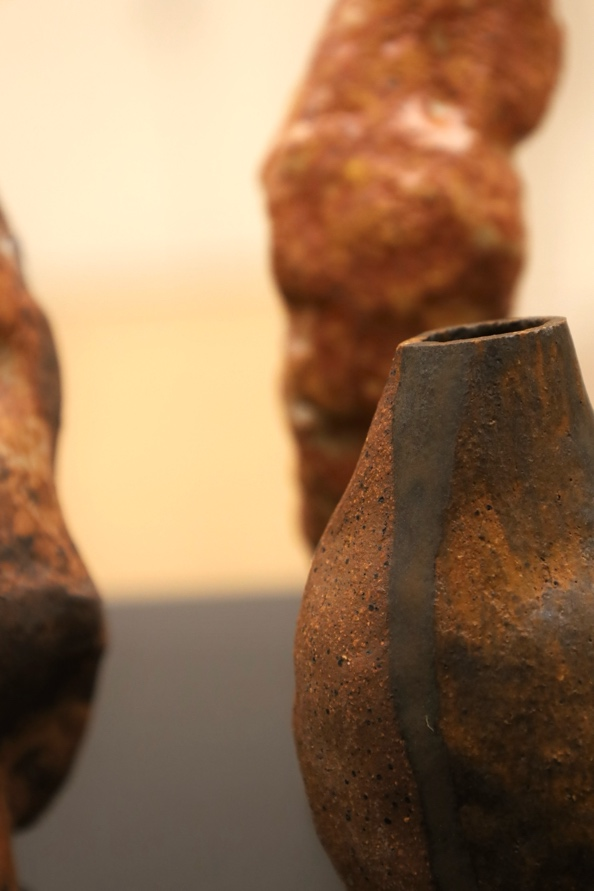
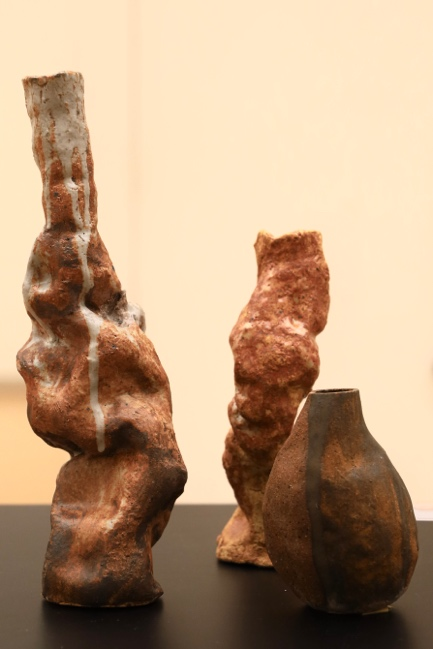
In Dreams of Matter, clay is not shaped into submission but encountered as a living force. Compression, twisting, and collapse reveal internal tensions; glaze flows according to its own heat-driven logic, leaving unpredictable sediments and scars. The forms appear bodily ?caught between growth and erosion ?as if matter were thinking through itself.
Spirit does not sit upon the surface; it slowly emerges from within fissures, edges, and molten traces. Repetition builds structure, instability generates rhythm. The work whispers of material intelligence, where making becomes negotiation, and form arises from attentive listening rather than domination.
This body of work was produced under the framework of "Rhizomatic Thinking," proposed by the French philosopher Gilles Deleuze. It reimagines perception and response ?where growth no longer unfolds around a single centre, but extends, intertwines, and reorganizes across multiple relations.